
What to Look for in a Promo Brands Supplier for Your Australian Business
Discover what makes a reliable promo brands supplier for Australian businesses — from product range and decoration methods to turnaround times and budgeting tips.

Written by
Stella Kwan
Branding & Customisation
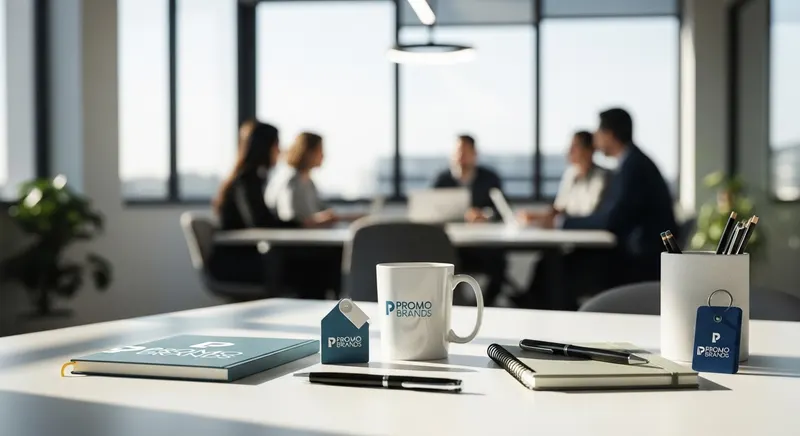
When it comes to sourcing promotional merchandise for your business, organisation, or upcoming event, the supplier you choose can make or break the entire experience. Whether you’re a Sydney-based corporate team preparing for a major conference, a Brisbane school gearing up for sports day, or a Melbourne charity planning a fundraising drive, working with a quality promo brands partner is one of the most important decisions you’ll make. But with so many options on the market, how do you know what to look for — and what questions to ask before you commit? This guide walks you through everything you need to know about evaluating promo brands suppliers in Australia, so you can move forward with confidence and get the results your organisation deserves.
What Does a Promo Brands Supplier Actually Do?
Before diving into evaluation criteria, it’s worth clarifying what a promotional merchandise supplier genuinely offers. At its core, a promo brands supplier sources, decorates, and delivers customised products that carry your organisation’s logo, branding, colours, and messaging. This spans an enormous range of product categories — from custom tee shirts printed with your logo to branded travel coffee cups for corporate gifting, and promotional USB sticks for tech-focused events.
The best suppliers act as genuine partners. They don’t just fulfil orders — they advise on the right products for your audience, guide you through artwork requirements, help you stay on budget, and ensure your delivery arrives on time. They understand Australian business culture, compliance requirements, and the specific needs of sectors ranging from healthcare and education to government and retail.
A good promo brands relationship means you’re not starting from scratch every time you need merchandise. You build a rapport, your supplier understands your brand standards, and the process becomes smoother with every order.
Key Factors to Evaluate When Choosing a Promo Brands Partner
Product Range and Category Depth
The first thing to assess is whether a supplier’s product catalogue actually matches your needs. A supplier with a deep, diverse range gives you flexibility — both now and as your requirements evolve over time.
Think about the product types most relevant to your organisation:
- Apparel: Do they offer quality shirts and polos for corporate teams, or women’s polo shirts for staff uniforms? Can they supply varsity jackets for a university or school?
- Drinkware: Are branded sport water bottles and personalised travel mugs available in bulk? What about eco-friendly travel cups for a sustainability-conscious brand?
- Bags: Do they stock roller bags, waterproof bags, travel bags, or premium options like Samsonite backpacks for executive gifting?
- Event essentials: Can they supply custom tablecloths for expos, or single custom lanyards for conferences?
A supplier with genuine category depth can serve you across multiple campaigns and occasions — not just your immediate requirement.
Decoration Methods and Print Quality
Not every decoration method suits every product or application. A reputable promo brands supplier will offer multiple decoration techniques and guide you toward the best option for your specific item and budget.
Common decoration methods include:
- Screen printing — ideal for high-volume runs of apparel and flat surfaces. If you’re ordering in bulk, screen printing services offer excellent cost efficiency and vibrant results.
- Embroidery — best for polo shirts, caps, and workwear where a premium, textured finish is desired.
- Laser engraving — perfect for metal drinkware, pens, and awards where a sophisticated, permanent mark is needed.
- Sublimation — great for full-colour, all-over prints on sportswear, mugs, and flags.
- Pad printing — commonly used on smaller items like pens and keyrings.
- Digital printing — useful for short runs and complex artwork.
Ask your supplier to show you samples of their work across different methods. Print quality is non-negotiable — poor decoration will reflect badly on your brand, no matter how good the base product is.
Minimum Order Quantities (MOQs) and Pricing Tiers
MOQs vary significantly between suppliers and between product types. Some items — particularly those manufactured offshore — may have MOQs of 100 units or more, while locally stocked items might be available from as few as 25 or even less.
Understanding pricing tiers is equally important. Most suppliers offer bulk discounts, meaning the per-unit cost drops meaningfully as quantity increases. If you’re ordering custom lanyards for a 500-person conference, your unit cost will be dramatically lower than a run of 50. Always ask for a tiered pricing breakdown upfront, so you can make an informed decision about your order volume.
For smaller organisations — community groups, schools, or charities — suppliers who accommodate low MOQs are particularly valuable. Don’t assume you need to order thousands of units to access quality branded merchandise.
Turnaround Times and Rush Order Capability
In the world of branded merchandise, timing is everything. A beautifully designed product that arrives after your event is useless. Always ask a potential supplier:
- What is their standard production lead time?
- Do they hold stock locally in Australia (which significantly reduces lead times)?
- Can they accommodate rush orders, and at what cost?
- When does the clock start — from artwork approval, payment, or order placement?
Typical turnaround times for standard orders range from 10 to 15 business days once artwork is approved, though this varies considerably. For overseas-manufactured items with complex decoration, you may be looking at four to six weeks. If you’re in Perth or Darwin with a hard deadline, factor in freight transit times on top of production.
Artwork Support and Proof Processes
Artwork preparation is one of the most common stumbling blocks in promotional merchandise orders. Quality suppliers have in-house graphic design support or clearly communicate their artwork requirements upfront (file formats, resolution, colour modes, safe areas).
Before your order goes into production, any reputable supplier will provide a visual proof — a digital mock-up showing exactly how your logo or design will appear on the product. Review this carefully. Check:
- Logo placement and sizing
- PMS colour matching (especially important for brand-sensitive organisations)
- Any text, including phone numbers, websites, or event dates
Never approve a proof without thorough review, and always keep a copy for your records.
Sustainable and Eco-Friendly Options
In 2026, sustainability is no longer a “nice to have” — it’s increasingly a brand expectation, particularly for organisations in the government, education, and not-for-profit sectors. A quality promo brands supplier should offer a genuine range of sustainable promotional products, not just a token eco-friendly item or two.
Look for products made from recycled materials, bamboo, organic cotton, or those certified under recognised environmental standards. Reusable items like branded drinkware and tote bags are particularly effective because they reduce single-use waste while keeping your brand visible over time.
If sustainability is a priority for your organisation, ask suppliers directly about their own practices — not just the products they sell. Do they minimise packaging waste? Do they partner with ethical manufacturers? These questions matter.
Summer and Seasonal Campaigns
Australian businesses often ramp up their promotional merchandise activity around key seasonal moments — summer events, end-of-financial-year giveaways, Christmas hampers, and back-to-school campaigns. A supplier with strong seasonal capability can help you plan ahead and capitalise on these opportunities.
For summer campaigns specifically, products like branded sport water bottles, women’s polo work shirts, and event-ready merchandise are in high demand. Our guide to summer branded merchandise in Australia is a great resource if you’re planning a warm-weather campaign and want inspiration beyond the usual giveaway items.
Planning seasonally also helps you avoid the last-minute rush. If you’re ordering for a December event, getting your order in by late October is advisable — production schedules fill up fast.
Apparel-Specific Considerations
Branded apparel deserves its own mention because it accounts for a significant portion of promotional merchandise spend in Australia. Whether you’re kitting out a sporting club with women’s rugby t-shirts, decking out a corporate team in embroidered polos, or providing uniforms for a trade show team, the quality and fit of the garments matters enormously.
Ask to see sizing guides and, where possible, order samples before committing to a full run. Sizing can vary between manufacturers, and fit expectations differ across different workforces and demographics. A garment that looks great on a size chart can disappoint in person if it runs small or uses an uncomfortable fabric.
Promo Brands and Budget Planning
One of the most practical aspects of working with a promo brands supplier is getting your budget right from the start. A few tips:
- Be transparent about your total budget from the outset — a good supplier will help you maximise value within your constraints, not just upsell.
- Factor in all costs: unit cost, decoration setup fees, freight, and GST.
- Setup fees are common, particularly for screen printing and embroidery. These are typically a one-off cost per colour or design, so they’re more easily absorbed across larger orders.
- Don’t compare per-unit costs in isolation — a cheaper item with poor quality may cost you more in reprints or replacements.
For organisations ordering regularly, ask about account pricing or loyalty arrangements. Many suppliers reward consistent clients with preferred rates or faster service.
Conclusion: Choosing the Right Promo Brands Partner for Your Needs
Finding the right promo brands supplier for your Australian business or organisation isn’t just about price — it’s about finding a partner who understands your brand, your audience, and your deadlines. The right supplier will offer a strong product range, quality decoration, transparent pricing, and genuinely helpful service from initial enquiry through to delivery.
Here are the key takeaways to guide your decision:
- Assess product range depth across apparel, drinkware, bags, tech, and stationery to ensure the supplier can meet current and future needs.
- Understand the decoration methods on offer and ask for samples before committing to quality-sensitive orders.
- Clarify MOQs, pricing tiers, and turnaround times upfront — surprises in these areas can derail even a well-planned campaign.
- Prioritise artwork support and proof approval to ensure your brand is represented accurately every time.
- Plan seasonally and sustainably — suppliers who support eco-friendly products and can accommodate seasonal peaks are better long-term partners.
With these criteria in hand, you’re well-placed to evaluate your options and find a promo brands relationship that genuinely works for your organisation.