
Custom Stuffed Animals as Branded Merchandise: A Complete Australian Guide
Discover how Australian businesses and organisations can use custom stuffed animals as powerful branded merchandise tools. Tips, costs & more.

Written by
Luna Bell
Event Merchandise
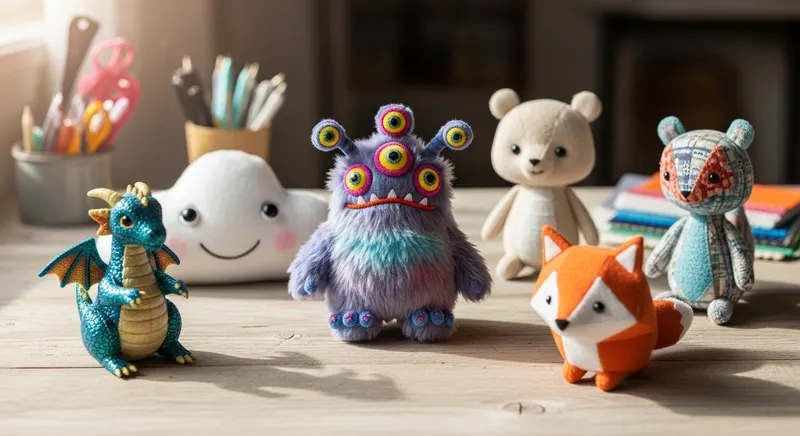
Ordering custom stuffed animals for your organisation might not be the first idea that comes to mind when planning a branded merchandise campaign — but it should be. These plush, tactile keepsakes have quietly become one of the most emotionally resonant promotional products available to Australian businesses, schools, charities, and event planners. Whether you’re a children’s hospital in Melbourne commissioning a branded bear to comfort young patients, a Gold Coast tourism operator creating a koala mascot plushie, or a Sydney-based charity looking for a heartwarming fundraising product, custom stuffed animals offer something few other merchandise categories can match: genuine emotional connection. This guide walks you through everything you need to know about ordering, budgeting, and successfully executing a custom stuffed animal project in Australia.
Why Custom Stuffed Animals Work as Branded Merchandise
Most promotional products get used for a while and then discarded. A branded pen runs out of ink. A printed tote bag eventually wears out. But a well-made custom stuffed animal often gets kept for years — sometimes decades. That’s remarkable brand longevity by any measure.
The psychology behind this is straightforward. Plush toys activate emotional responses in a way that a keychain or USB simply cannot. They’re tactile, comforting, and inherently likeable. For organisations that work with children, families, or community groups, this makes them an exceptionally powerful tool.
Who Orders Custom Stuffed Animals in Australia?
The range of organisations across Australia that commission custom stuffed animals is broader than you might expect:
- Hospitals and healthcare organisations — comforting bears or soft toys distributed to paediatric patients in Queensland Children’s Hospital-style environments
- Schools and early childhood centres — mascot plushies for school fairs, fundraising drives, or welcome packs
- Charities and not-for-profits — used as fundraising products that supporters are happy to pay a premium for
- Tourism and wildlife organisations — branded koalas, kangaroos, wombats, and other native animal plushies for gift shops and visitor experiences
- Corporate and event planners — branded stuffed animals as unique conference giveaways, product launch keepsakes, or premium gift pack items
- Sporting clubs — mascot plushies for junior members or as merchandise sold at games
- Retailers and brands — custom-branded characters tied to a product range or marketing campaign
The versatility of custom stuffed animals is one of their biggest strengths. They cross age groups, sectors, and occasions with ease.
Understanding Custom Stuffed Animal Options
Before placing an order, it’s worth understanding what “custom” actually means in the context of stuffed animals — because it covers a surprisingly wide spectrum.
Branded vs. Fully Custom Designs
There are essentially two levels of customisation available:
1. Branding an existing plush design This is the most common and cost-effective approach. Suppliers offer a range of standard plush animal shapes — bears, dogs, rabbits, koalas, and many more — which can then be personalised with your logo, name, or message. This might involve embroidered branding on the chest or foot, a branded t-shirt or bandana on the animal, a custom sewn-in label, or hang tags with your organisation’s details.
2. Fully bespoke custom-designed plush toys At the higher end, you can commission a completely unique stuffed animal designed from scratch. This might be a custom mascot character, a branded animal version of your company’s logo character, or a one-of-a-kind plushie designed to your specifications. These projects involve longer lead times (often 90–120 days), significantly higher minimum order quantities, and greater upfront costs due to tooling and sample development.
Materials and Construction
Quality matters enormously with plush toys, particularly if they’ll be distributed to children or used in healthcare settings. Key considerations include:
- Safety standards — Products distributed to children should meet Australian toy safety standards (AS/NZS 8124 series). Always confirm compliance with your supplier.
- Fill material — Most plush toys use polyester fibrefill. Hypoallergenic options are available for healthcare environments.
- Plush fabric type — Short-pile, long-pile, and minky fabrics each offer a different feel and aesthetic.
- Size — Standard sizes range from small (10–15cm) keychain-style plushies up to large 40cm+ display animals.
Decoration Methods for Custom Stuffed Animals
Unlike flat merchandise items such as printed tee shirts or women’s polo work shirts, plush toys use a different set of decoration methods suited to their three-dimensional, textile-based nature.
Embroidery
Embroidery is the premium standard for decorating stuffed animals. It offers durability, a high perceived quality, and a professional finish. Logos, names, and simple graphics can be embroidered directly onto the plush fabric — typically on the chest, foot, or ear — or onto a branded t-shirt or bandana worn by the animal.
Custom Sewn Labels
Sewn-in labels (similar to clothing care labels) can be added to the seams of plush toys. These are an excellent, low-cost branding option and work well for including website URLs, care instructions, or organisational information.
Hang Tags and Swing Tags
Printed hang tags attached to the animal allow for more detailed information — logos, QR codes, messages, charity information, or pricing — without affecting the toy itself. This is a popular approach for retail-style distributions and fundraising products.
Screen Printing on Accessories
If your plush animal wears a branded t-shirt, bandana, or bib, those accessories can be screen printed with full-colour logos or artwork, giving you more visual real estate for your branding.
Budgeting and Minimum Order Quantities
Cost is one of the first questions organisations ask, and it’s worth being realistic about what custom stuffed animals involve from a budget perspective.
Typical Cost Ranges
- Branded standard plush (embroidery or label only): $10–$25 per unit at quantities of 100–500 pieces
- Branded with custom accessories (t-shirt, bandana): $15–$35 per unit at similar quantities
- Fully bespoke custom design: $30–$80+ per unit, depending on complexity and quantities (typically 500+ minimum)
Setup fees for embroidery digitisation typically range from $50–$100 and are a one-time cost. These are comparable to setup fees you’d encounter when ordering other embroidered items like women’s polo shirts or embroidered caps.
Minimum Order Quantities
For branded standard plush toys, MOQs commonly start at 50–100 units. Fully bespoke custom designs typically require a minimum of 300–500 units due to manufacturing setup costs. If you’re running a small campaign or want to test a product before committing to a large run, some suppliers offer lower MOQ options at a higher per-unit cost.
Turnaround Times
- Branded standard plush (local decoration): 2–4 weeks
- Custom-manufactured bespoke designs: 90–120 days (most manufacturing occurs offshore, often in China)
- Rush orders: Some suppliers can accommodate urgent turnarounds for standard products, but always confirm availability upfront
If you’re planning around a specific event date — a school fair, charity gala, or product launch — build your timeline around the longer end of these estimates and add a buffer of at least two weeks.
Practical Tips for a Successful Custom Stuffed Animal Project
Getting the most out of your custom stuffed animal order comes down to preparation and clear communication with your supplier.
1. Define Your Purpose First
Are the plush animals going to children? Adults? Are they for fundraising, gifting, or retail sale? The end use determines the right product, safety requirements, and branding approach.
2. Prepare Artwork in Vector Format
High-quality artwork in a vector format (AI, EPS, or PDF) is essential for embroidery digitisation and print work. Raster images (.jpg or .png) often lack the resolution needed for clean embroidery results.
3. Request a Pre-Production Sample
For any order above 100 units — and especially for bespoke designs — always request a physical pre-production sample before approving the full run. This allows you to check quality, sizing, materials, and branding placement.
4. Bundle with Other Merchandise for Gift Packs
Custom stuffed animals pair beautifully with other branded items to create premium gift packs. Consider combining them with a personalised travel mug, custom wristbands for events, or branded waterproof bags for a complete gifting experience. Schools running fundraising campaigns might also look at other popular items like custom printed tea towels or branded sport water bottles to broaden their merchandise range.
5. Consider Eco-Friendly Options
If sustainability is important to your organisation, ask about plush toys made from recycled polyester fill or organic cotton fabric. These options align with the kind of values that resonate strongly with Australian consumers in 2026. For more on this trend, explore sustainable promotional products and how they’re shaping merchandise decisions across the country.
6. Don’t Overlook the Packaging
How the plush animal is presented matters. Polybag packaging is the standard, but branded boxes, biodegradable wrap, or gift-ready presentation can significantly elevate the perceived value — particularly important for premium gifting campaigns or retail applications.
Custom Stuffed Animals Beyond the Obvious Use Cases
It’s easy to default to thinking of plush toys as purely for children’s applications, but some of the most creative custom stuffed animal campaigns have come from unexpected sectors.
Corporate events and conference planners have used small branded plushies as memorable takeaways that stand out from the usual mix of USB sticks and single custom lanyards. A well-designed plushie sitting on a delegate’s desk back in the Perth or Adelaide office is a daily brand impression that a standard pen simply can’t replicate.
Tourism operators across Australia — particularly in regions with strong wildlife associations like the Northern Territory, Far North Queensland, or the NSW South Coast — have found great commercial success selling branded native animal plushies through visitor centres and gift shops.
Even sports organisations have embraced custom stuffed animals, creating mascot plushies for junior members as part of registration packs or end-of-season rewards — a perfect companion to other junior sports merchandise like event wristbands and custom apparel.
Conclusion: Key Takeaways for Ordering Custom Stuffed Animals
Custom stuffed animals represent a genuinely differentiated option in the Australian promotional products landscape. When chosen and executed thoughtfully, they deliver emotional impact, long-lasting brand exposure, and real versatility across sectors and occasions. Here’s a summary of what to keep in mind:
- Define your purpose early — the intended recipient and use case shapes every other decision, from safety requirements to decoration method
- Choose between branded standard plush and fully bespoke designs based on your budget, timeline, and quantities; bespoke designs offer more uniqueness but require significantly more lead time and investment
- Plan your timeline carefully — fully custom manufactured plush toys can require 90–120 days from order to delivery, so early planning is essential
- Request pre-production samples for any significant order to verify quality, branding placement, and materials before committing to the full run
- Consider sustainability by exploring recycled or organic material options that align with your organisation’s values and resonate with Australian audiences in 2026
- Look for bundling opportunities — custom stuffed animals work particularly well as part of a broader merchandise kit or gift pack, amplifying their impact alongside complementary branded items